Archives
- 2026-07
- 2026-06
- 2026-05
- 2026-04
- 2026-03
- 2026-02
- 2026-01
- 2025-12
- 2025-11
- 2025-10
- 2025-09
- 2025-03
- 2025-02
- 2025-01
- 2024-12
- 2024-11
- 2024-10
- 2024-09
- 2024-08
- 2024-07
- 2024-06
- 2024-05
- 2024-04
- 2024-03
- 2024-02
- 2024-01
- 2023-12
- 2023-11
- 2023-10
- 2023-09
- 2023-08
- 2023-07
- 2023-06
- 2023-05
- 2023-04
- 2023-03
- 2023-02
- 2023-01
- 2022-12
- 2022-11
- 2022-10
- 2022-09
- 2022-08
- 2022-07
- 2022-06
- 2022-05
- 2022-04
- 2022-03
- 2022-02
- 2022-01
- 2021-12
- 2021-11
- 2021-10
- 2021-09
- 2021-08
- 2021-07
- 2021-06
- 2021-05
- 2021-04
- 2021-03
- 2021-02
- 2021-01
- 2020-12
- 2020-11
- 2020-10
- 2020-09
- 2020-08
- 2020-07
- 2020-06
- 2020-05
- 2020-04
- 2020-03
- 2020-02
- 2020-01
- 2019-12
- 2019-11
- 2019-10
- 2019-09
- 2019-08
- 2019-07
- 2019-06
- 2019-05
- 2019-04
- 2018-07
-
Adiponectin is an adipokine whose
2023-09-01
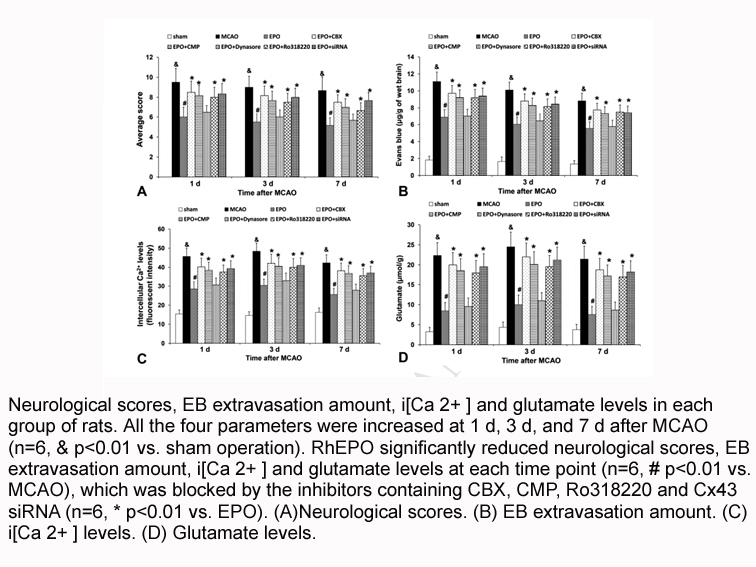
Adiponectin is an adipokine whose circulating level is depleted in a number of metabolic diseases including insulin resistance, diabetes and cancer (Khan et al., 2015, Singh et al., 2014a, Singh et al., 2014b, Yamauchi et al., 2014). Despite its importance in health and pathophysiology, adiponectin
-
br Expression of adiponectin mRNA in
2023-09-01
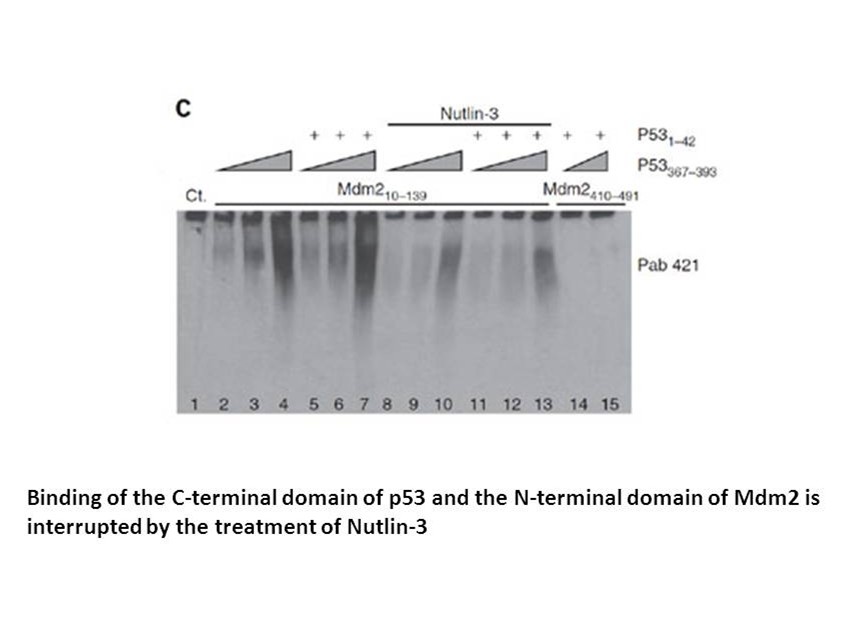
Expression of adiponectin mRNA in chickens We first sought to determine the nucleotide sequence of the chicken adiponectin cDNA. The open reading frame of the chicken adiponectin cDNA consists of 735 nucleotides that was 65–68% homologous to various mammalian adiponectin cDNAs (Maddineni et al.,
-
The first suggestions that the cleaved intracellular
2023-09-01
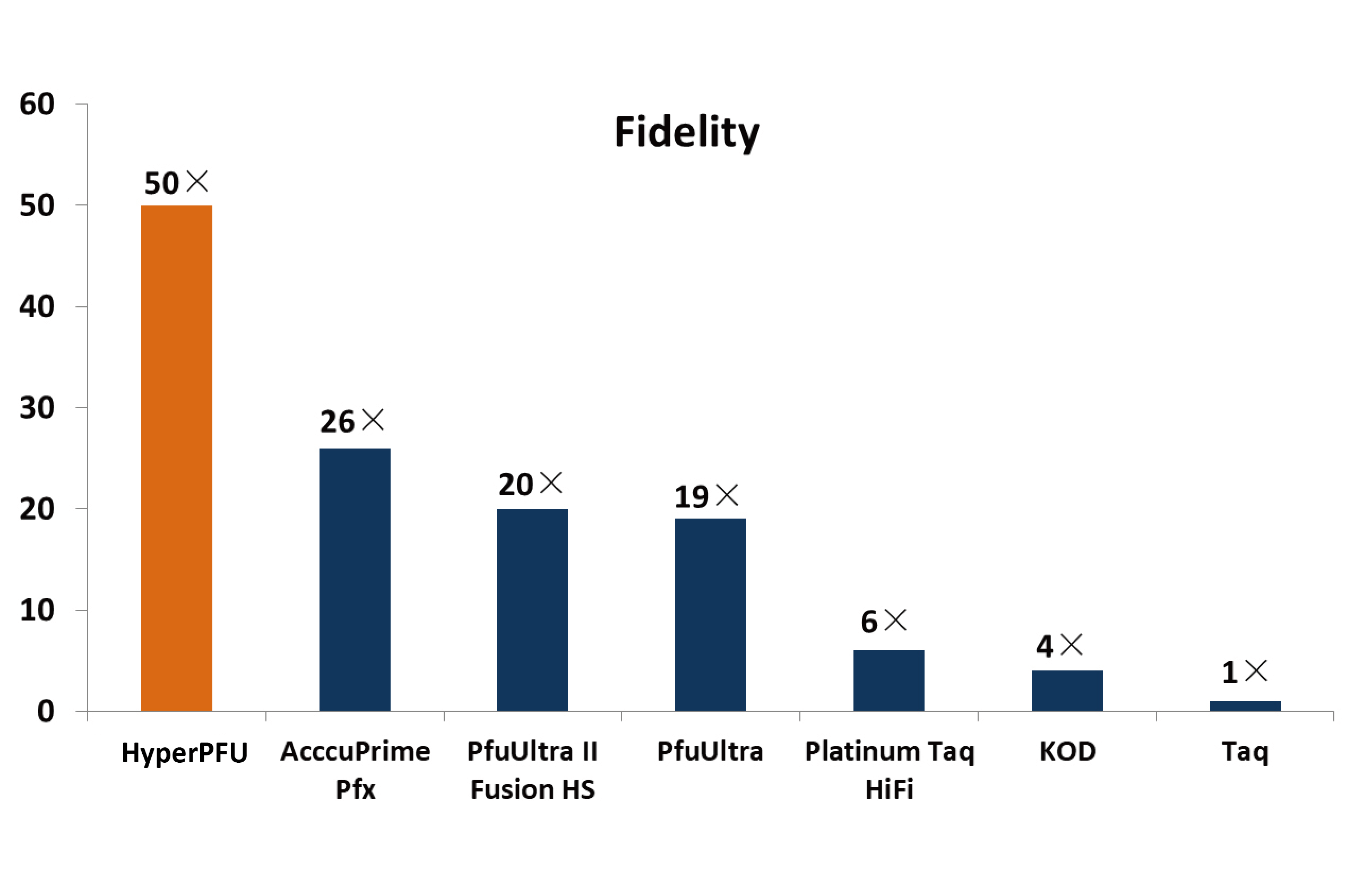
The first suggestions that the cleaved intracellular domain of APP, AICD, might transit to the nucleus and hence selectively regulate gene transcription arose from analogies with the Notch receptor signalling system where similar intra-membrane proteolysis occurs [84], [85] and it was later confirme
-
Deferoxamine mesylate synthesis Several studies have recentl
2023-09-01

Several studies have recently used optogenetics to selectively activate various cholinergic neurons (Jiang et al., 2014). However, most do not explicitly report direct release of GABA from cholinergic fibers, with the exception of our two studies described above (Saunders et al., 2015a, Saunders et
-
br Concluding Remarks and Future Directions The
2023-08-31
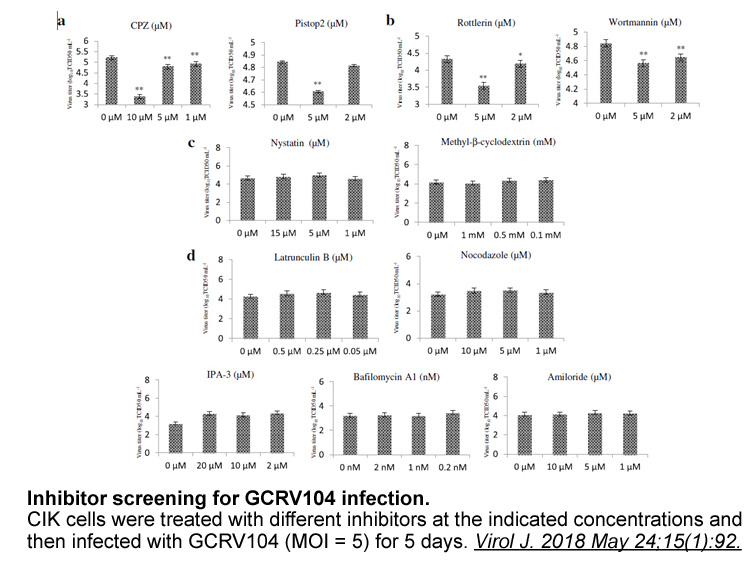
Concluding Remarks and Future Directions The physiological significance of autophagy in neuronal function is steadily emerging. The studies discussed herein reveal that key neuronal functions, such as neurotransmitter release, pruning of dendritic spines, and behavioural outputs of neural network
-
In response to DSB the lesion recognition factor
2023-08-31

In response to DSB, the lesion recognition factor Mre11-Rad50-Nbs1 (MRN) complex helps the recruitment of ATM to the damage site and its activation by phosphorylation [29]. However, whether UV-damage recognition factors directly influence ATR and ATM recruitment and their phosphorylation is not clea
-
br Conflicts of interest br Financial support This work
2023-08-31
Conflicts of interest Financial support This work was supported by grants from the Fondazione Cariplo [Grant number 2011-0463] (Carini); and by Funds for Original Research of the Università del Piemonte Orientale (2016, Project: Carini-Boldorini). The sponsors had no involvement in study desig
-
Similar to the importance of MeJA in
2023-08-31
Similar to the importance of MeJA in postharvest A. bisporus quality maintenance at 10°C storage (Meng et al., 2012a), MeJA was also observed to play a pivotal role in this event at 4°C storage. Cap opening is an important mushroom quality indicator (Braaksma et al., 1999). During postharvest stora
-
RP 67580 Apelin APJ triggers a variety of
2023-08-31
Apelin/APJ triggers a variety of cellular signaling pathways (Fig. 1). Recent studies from our laboratory showed that apelin-13 induces vascular smooth muscle cell (VSMC) proliferation by the upregulation of Cyclin D1 expression, which is involved in an ERK-dependent activation of Jagged-1/Notch3 si
-
Furthermore different s http www
2023-08-31
Furthermore, different studies have described the APP as useful biomarkers in monitoring the post-ovariohysterectomy period in bitches with pyometra [12,14,52,53], similar to what was observed in queens in the present study. In our study, significant decreases in concentrations of a major (SAA) and
-
Introduction Enzymatic browning degrades quality safety and
2023-08-31

Introduction Enzymatic browning degrades quality, safety, and nutritional values of various fruits or vegetable products. For example, the color of apple or potato is generally yellowish, representing freshness. However, they are extremely susceptible to enzymatic browning because of abundant polyp
-
br Implementation of sacubitril valsartan into clinical prac
2023-08-31
Implementation of sacubitril/valsartan into clinical practice Following on from the results of PARADIGM-HF, sacubitril/valsartan was given regulatory approval for use in patients who conform to the main inclusion criteria of the trial; NYHA functional class II–IV, reduced left ventricular ejectio
-
br Role of AR in models of
2023-08-31

Role of AR in models of neointima formation Investigations into the pathogenesis of lesion formation have often used acute models of mechanical damage to assess the mechanisms regulating the fibro-proliferative response to arterial injury. Models of acute injury used for this purpose include: lig
-
A disfun o cognitiva p s operat ria
2023-08-31
A disfunção cognitiva pós‐operatória é uma síndrome perioperatória bem reconhecida, consequência da anestesia e cirurgia cuja causa exata permanece por esclarecer. De que forma T7 High Yield Cy3 RNA disfunção cognitiva pós‐operatória e a doença de Alzheimer podem estar ligadas permanece uma questão
-
Subsequently Palvimaki et al corroborated Ni
2023-08-31

Subsequently, Palvimaki et al. (1999) corroborated Ni and Miledi's study by demonstrating that treatment with fluoxetine leads to 43% occupancy of the 5-HT2C receptors. Moreover, the affinity of fluoxetine for 5HT2C receptors (Ki 65 nM) is close to its affinity for 5-HT transporters (Ki 33 nM) (Ni a
16418 records 316/1095 page Previous Next First page 上5页 316317318319320 下5页 Last page