Archives
- 2026-11
- 2026-10
- 2026-09
- 2026-08
- 2026-07
- 2026-06
- 2026-05
- 2026-04
- 2026-03
- 2026-02
- 2026-01
- 2025-12
- 2025-11
- 2025-10
- 2025-09
- 2025-03
- 2025-02
- 2025-01
- 2024-12
- 2024-11
- 2024-10
- 2024-09
- 2024-08
- 2024-07
- 2024-06
- 2024-05
- 2024-04
- 2024-03
- 2024-02
- 2024-01
- 2023-12
- 2023-11
- 2023-10
- 2023-09
- 2023-08
- 2023-07
- 2023-06
- 2023-05
- 2023-04
- 2023-03
- 2023-02
- 2023-01
- 2022-12
- 2022-11
- 2022-10
- 2022-09
- 2022-08
- 2022-07
- 2022-06
- 2022-05
- 2022-04
- 2022-03
- 2022-02
- 2022-01
Several classes of small molecules that modulate
2022-05-10
Several classes of small molecules that modulate CDK8 activity have been reported in the patent literature (Fig. 1). A quinazoline derivative, Senexin B (SNX2-1–165, 1), showed CDK8 enzyme inhibitory activity with an IC50 value of 24–50 nM in different assay, and displayed potent, selective enzymati
br Cholecystokinin CCK CCK is secreted by enteroendocrine I
2022-05-10

Cholecystokinin (CCK) CCK is secreted by enteroendocrine I-cells of the duodenum and jejunum in response to amino acids and lipids [14]. There are two forms of the CCK receptor, CCK1 which is expressed on pancreatic α- and β-cells while CCK2 is located on somatostatin-secreting δ-cells [8]. CCK r
Acknowledgment br Main Text From birth to adulthood
2022-05-10
Acknowledgment Main Text From birth to adulthood, humans progressively acquire and maintain a complex microbial ecosystem at various body sites and cavities. Early on, these microorganisms establish a complex relationship with the host, resulting in the modulation of several biological functions
Caspase-6, human recombinant protein The original Bee Synch
2022-05-10
The original Bee Synch methodology (now termed Bee Synch I) utilizes a 5-day CIDR, GnRH (GnRH-1) and PGF on day 0, double dose of PGF on day 5, and FTAI with GnRH (GnRH-2) at 66 h after CIDR removal. Cruppe et al. (2014) reported that the inclusion of GnRH on day 0 does not contribute appreciably to
GnRH ant have been designed to obtain pharmacological
2022-05-10
GnRH-ant have been designed to obtain pharmacological compounds to block the pituitary–gonadal axis without the undesirable flare effect exerted by GnRH itself or by the GnRH-a (see Section 2.2). GnRH-ant competitively block the binding of GnRH to GnRHRs (Schally, 1999; Tan & Bukulmez, 2011); they p
br Experimental br Results and discussions br Conclusions
2022-05-10
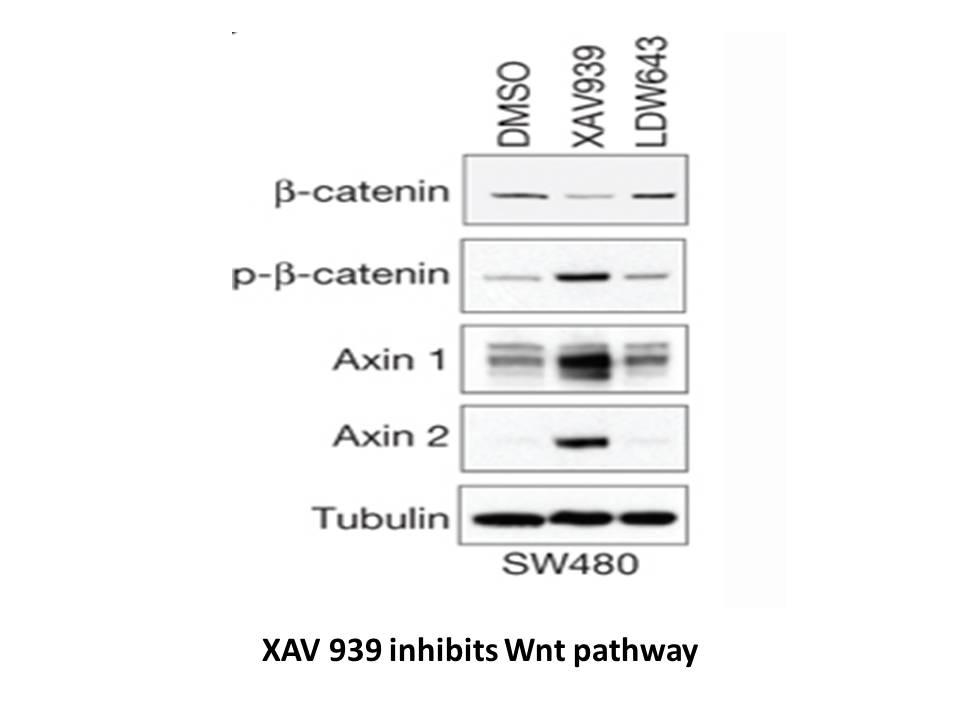
Experimental Results and discussions Conclusions In this work, a novel label-free ECL biosensing method was developed to detect TDG activity using signal amplification strategy of HCR which was triggered by DNA functionalized AuNPs. The label-free ECL biosensing platform has been constructe
br Materials and methods br
2022-05-10
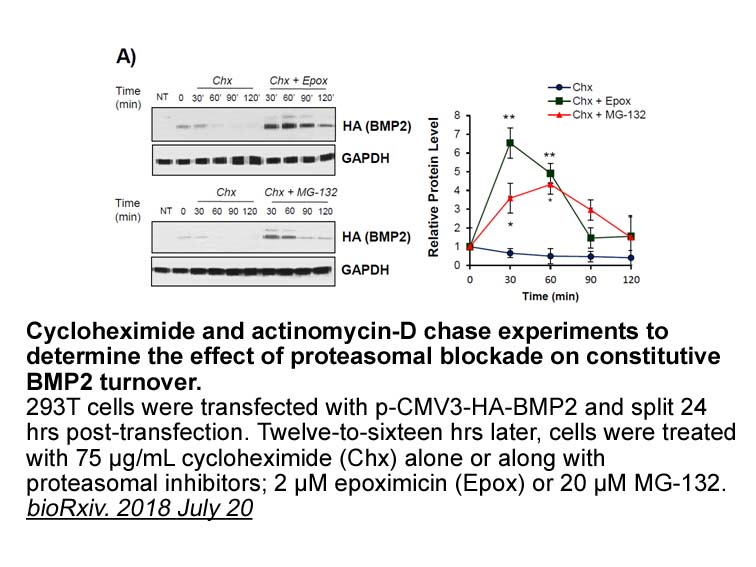
Materials and methods Results Discussion In this study, the supF forward mutation assay showed that 5OHU induced mutations in human cells and that a C→T mutation was the predominant mutation among 5OHU-induced mutations. In addition, the DNA cleavage activity assay revealed that 5OHU was ex
Growing evidence suggests that the glycine site seems to
2022-05-10
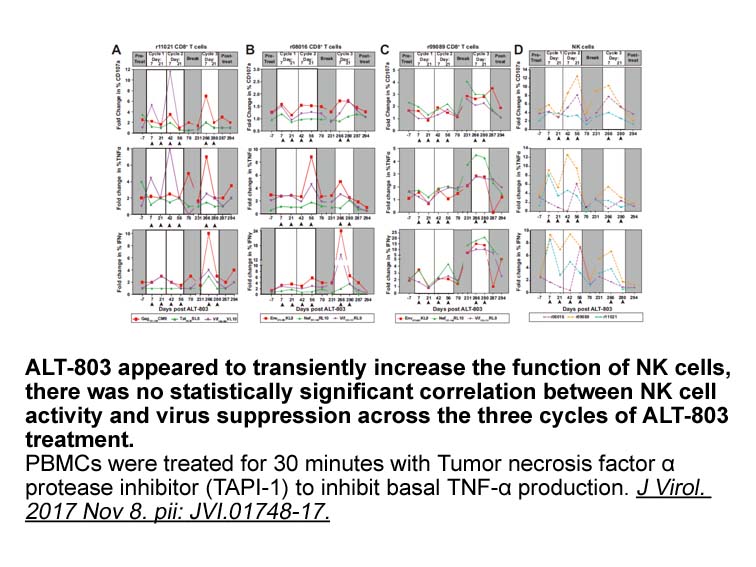
Growing evidence suggests that the glycine site seems to play a pivotal role in NMDAR-related function. For example, it Oxybutynin has been demonstrated in a hippocampal slice study that the glycine site sub-serves the spatiotemporal detection of synaptic activity (Li et al., 2009). Moreover, mice
br Membrane transporters as a novel therapeutic target
2022-05-10
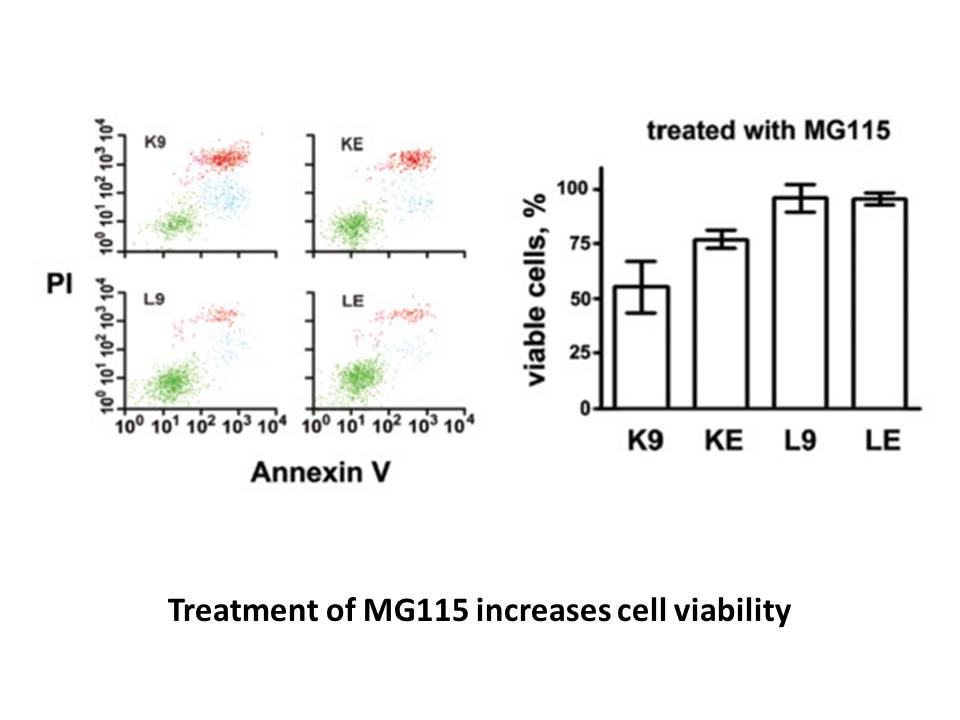
Membrane transporters as a novel therapeutic target in pediatric TBI The concept of targeting membrane transporters began with identifying a neuroprotective drug and a corresponding transporter inhibitor. Somewhat serendipitously, we discovered that N-acetylcysteine (NAC), a cysteine donor for GS
b ng Introduction l Glutamate is a major excitatory neurotra
2022-05-10
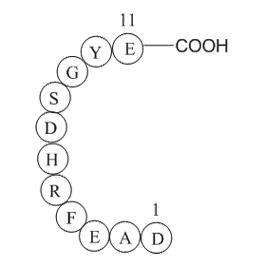
Introduction l-Glutamate is a major excitatory neurotransmitter in the mammalian central nervous system (CNS) that contributes not only to fast synaptic neurotransmission, but also to complex physiological processes like memory, learning, plasticity, and neuronal cell death [30], [81]. Glutamate is
We confirmed a decrease in extracellular glutamate uptake an
2022-05-10
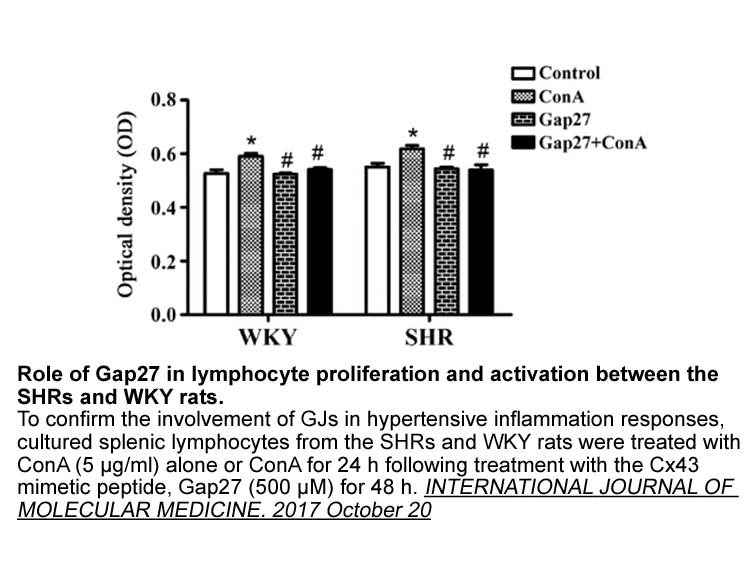
We confirmed a decrease in extracellular glutamate uptake and the presence of efflux in an endothelial cell model of oxygen-glucose deprivation (OGD), which effectively simulates the inefficient energy supply after brain injury [15], and analysed the function of endothelial EAATs and explored the ro
After ischemia expression of transcription factors
2022-05-10
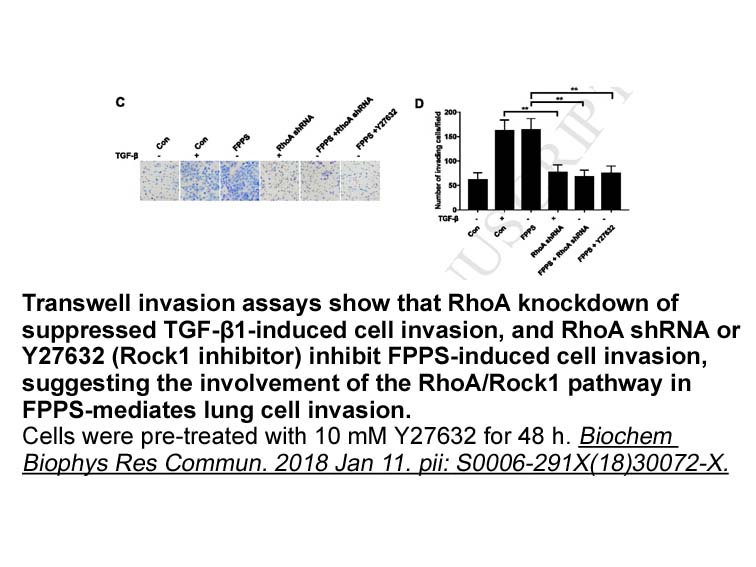
After ischemia, expression of transcription factors, including products of immediate early genes, stress proteins and neurotrophic factors are also altered in CA1 neurons78, 79. These proteins are potential candidates for downregulating of GluR2 expression by reducing mRNA transcription or stability
In conclusion we have shown that AKR D regulates
2022-05-09
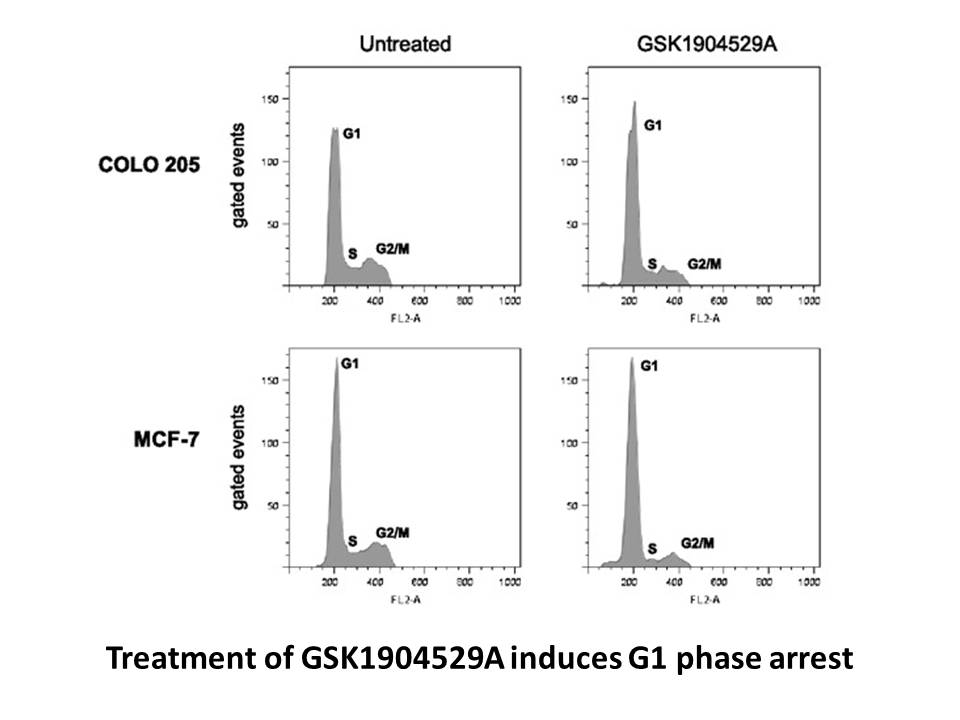
In conclusion, we have shown that AKR1D1 regulates glucocorticoid availability and GR activation and therefore represents a key pre-receptor regulator of hormonal action in human liver. However, there are additional questions that need to be addressed including dissecting the broader role of AKR1D1
In the present study five Glu
2022-05-09
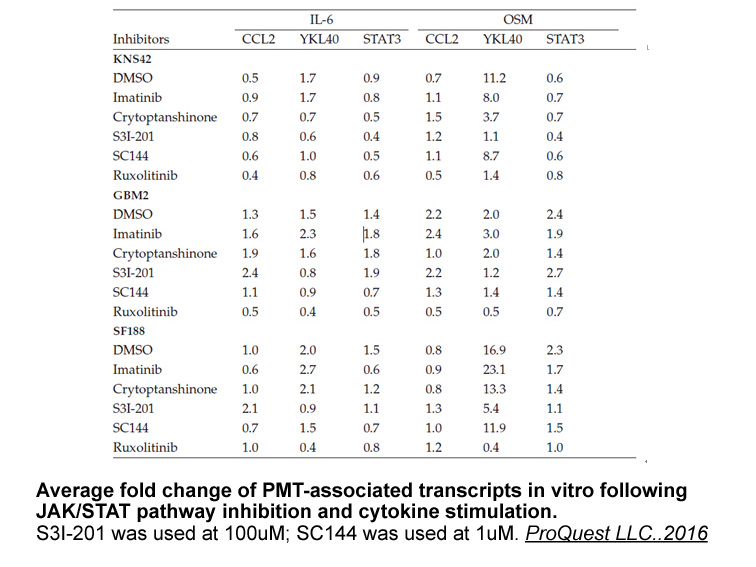
In the present study, five Glu3-substituted analogues of GIP, namely (Ala3)GIP, (Lys3)GIP, (Phe3)GIP, (Trp3)GIP and (Tyr3)GIP, were synthesised and tested for DPP-IV resistance and biological activity both in vitro and in vivo. The properties of these analogues were compared with native GIP and (Pro
Murine models of sickle disease have been valuable tools in
2022-05-09
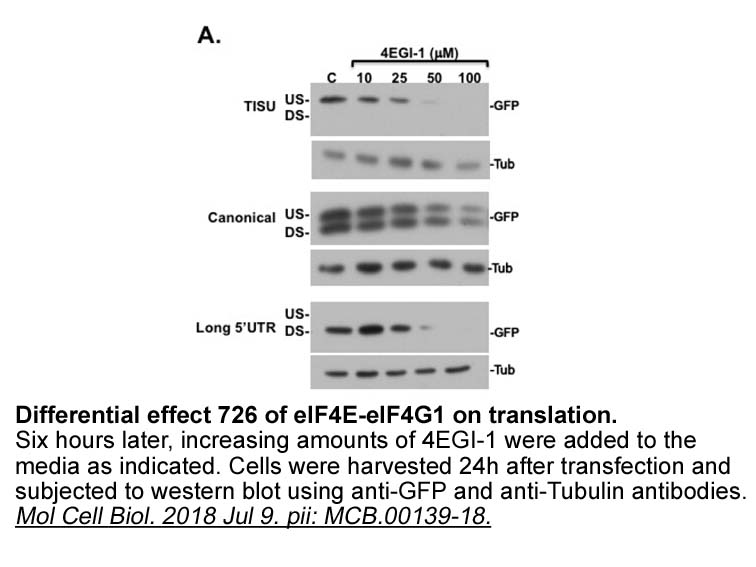
Murine models of sickle disease have been valuable tools in the study of human SCD pathogenesis [15], [16], and will continue to be central to development of novel approaches to disease treatment. The SAD mouse model of sickle disease is particularly remarkable for its erythrocyte dehydration phenot
8718 records 509/582 page Previous Next First page 上5页 506507508509510 下5页 Last page